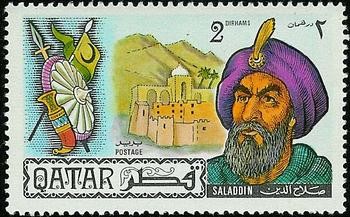
Saladin (1137–1193 CE)
Salah ad-Din Yusuf ibn Ayyub, universally known in the West as Saladin (1137–1193 CE), was the legendary Kurdish sultan who founded the Ayyubid dynasty and united the fractured Muslim territories of Egypt, Syria, Mesopotamia, and the Hejaz. A brilliant military strategist and visionary leader, he successfully unified regional forces to shift the geopolitical balance of the Levant, culminating in his historic victory over the Crusader armies at the Battle of Hattin in 1187. This triumph paved the way for his peaceful recapture of Jerusalem after nearly nine decades of Crusader rule, a milestone that reshaped the medieval landscape and triggered the launch of the Third Crusade.
Beyond his martial prowess, Saladin achieved enduring global renown for his chivalry, justice, and profound magnanimity. In stark contrast to the brutal conquests of the era, his entry into Jerusalem was marked by restraint, as he granted safe passage to civilian populations, protected religious shrines, and permitted non-Muslim worship. This remarkable blend of tactical genius and ethical leadership earned him the deep reverence of his subjects and the enduring respect of his Western adversaries—most notably King Richard the Lionheart. Today, he remains an iconic historical symbol of unity, chivalric honor, and cultural bridge-building in both Islamic and Western traditions.
Beyond his martial prowess, Saladin achieved enduring global renown for his chivalry, justice, and profound magnanimity. In stark contrast to the brutal conquests of the era, his entry into Jerusalem was marked by restraint, as he granted safe passage to civilian populations, protected religious shrines, and permitted non-Muslim worship. This remarkable blend of tactical genius and ethical leadership earned him the deep reverence of his subjects and the enduring respect of his Western adversaries—most notably King Richard the Lionheart. Today, he remains an iconic historical symbol of unity, chivalric honor, and cultural bridge-building in both Islamic and Western traditions.