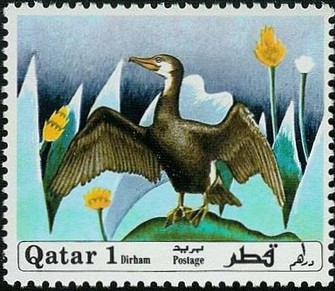
Great Cormorant (Phalacrocorax carbo)
The Great Cormorant (Phalacrocorax carbo) is a large, highly adaptable seabird found across a vast global range spanning Europe, Asia, Africa, Australasia, and the Atlantic coast of North America. Renowned for its exceptional diving prowess, this apex aquatic predator features a long, hook-tipped bill, a patch of yellow skin at the base of its throat, and a powerful, torpedo-shaped body adapted for chasing fish underwater. Unlike many other waterfowl, the Great Cormorant’s plumage is not completely waterproof; its feathers absorb water to reduce buoyancy, allowing it to dive deeper and swim faster with remarkable agility.
Because of this unique adaptation, cormorants are a famous sight along coastlines, estuaries, and inland lakes, frequently spotted perched on rocks or piers with their wings spread wide to dry in the sun. Historically, their incredible fishing efficiency led to a unique cultural tradition of "cormorant fishing" in parts of East Asia, where fishers tied loose collars around the birds' necks to retrieve the fish they caught. In the world of nature-themed philately, this majestic species is frequently celebrated on international postage stamps to symbolize ecological diversity, the rich vitality of wetland habitats, and the delicate balance of global marine and freshwater ecosystems.
Because of this unique adaptation, cormorants are a famous sight along coastlines, estuaries, and inland lakes, frequently spotted perched on rocks or piers with their wings spread wide to dry in the sun. Historically, their incredible fishing efficiency led to a unique cultural tradition of "cormorant fishing" in parts of East Asia, where fishers tied loose collars around the birds' necks to retrieve the fish they caught. In the world of nature-themed philately, this majestic species is frequently celebrated on international postage stamps to symbolize ecological diversity, the rich vitality of wetland habitats, and the delicate balance of global marine and freshwater ecosystems.