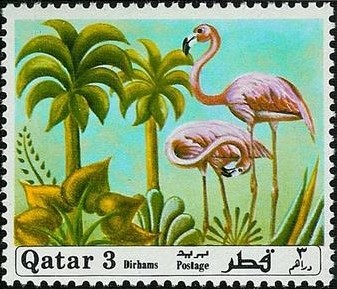
Greater Flamingo (Phoenicopterus roseus)
The Greater Flamingo (Phoenicopterus roseus) is the largest and most widespread species of the flamingo family, native to the shallow wetlands, salt pans, and coastal lagoons of Africa, southern Asia, and southern Europe. Instantly recognizable by its exceptionally long, stilt-like legs, elongated neck, and a uniquely curved pink bill with a black tip, this majestic wading bird is celebrated for its striking plumage, which exhibits elegant shades of white and soft pink contrasted by vivid crimson and black wing feathers. They derive their beautiful pink coloration from carotenoid pigments found in their specialized diet of brine shrimp, microscopic algae, and small mollusks, which they filter upside down from the water using their highly adapted lamellae-lined bills.
As highly social animals, Greater Flamingos gather in spectacular colonies that can number in the tens of thousands, creating breathtaking natural vistas during their synchronized group courtship dances and long-distance migratory flights. Their presence is a critical biological indicator of healthy, thriving wetland ecosystems and stable water quality. In nature-themed philately, this iconic and elegant species is a frequent favorite on international postage stamps, serving as a powerful visual symbol for global conservation efforts, the preservation of fragile aquatic habitats, and the spectacular beauty of avian biodiversity.
As highly social animals, Greater Flamingos gather in spectacular colonies that can number in the tens of thousands, creating breathtaking natural vistas during their synchronized group courtship dances and long-distance migratory flights. Their presence is a critical biological indicator of healthy, thriving wetland ecosystems and stable water quality. In nature-themed philately, this iconic and elegant species is a frequent favorite on international postage stamps, serving as a powerful visual symbol for global conservation efforts, the preservation of fragile aquatic habitats, and the spectacular beauty of avian biodiversity.