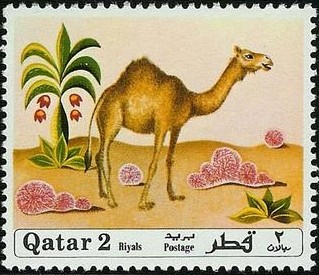
Dromedary (Camelus dromedarius)
The Dromedary (Camelus dromedarius), also known as the Arabian camel, is a large, iconic even toed ungulate instantly recognizable by its single hump, which stores up to 80 pounds of fat that can be metabolized into water and energy when resources are scarce. Perfectly engineered for survival in the hyper-arid deserts of the Middle East, North Africa, and South Asia, this remarkable mammal boasts specialized adaptations including sealable nostrils, long protective eyelashes, and broad, padded feet designed to traverse shifting desert sands without sinking. Known affectionately as the "ship of the desert," the dromedary was domesticated thousands of years ago, fundamentally transforming human history by enabling trans-Saharan and Silk Road trade, providing vital milk, meat, and wool, and serving as an indispensable beast of burden. Deeply woven into the fabric of regional nomadic heritage and Bedouin culture, it remains an enduring symbol of patience, endurance, and resilience. In environmental and cultural philately, this majestic creature is frequently celebrated on postage stamps to honor traditional desert lifestyles, successful pastoral history, and the rich zoological identity of arid ecosystems.
As a highly alert and agile species, it relies on its acute senses and remarkable speedcapable of reaching high velocities across rocky terrain to evade natural predators. The gazelle holds a deeply cherished position in regional culture, long celebrated in classical Arabic poetry and folklore as the ultimate symbol of beauty, gentleness, and swift elegance. In nature themed philately, this iconic animal is a frequent and treasured subject on regional postage stamps, serving to highlight the rich biodiversity of arid ecosystems, the timeless heritage of the Arabian wilderness, and the vital importance of ongoing wildlife conservation efforts.
As a highly alert and agile species, it relies on its acute senses and remarkable speedcapable of reaching high velocities across rocky terrain to evade natural predators. The gazelle holds a deeply cherished position in regional culture, long celebrated in classical Arabic poetry and folklore as the ultimate symbol of beauty, gentleness, and swift elegance. In nature themed philately, this iconic animal is a frequent and treasured subject on regional postage stamps, serving to highlight the rich biodiversity of arid ecosystems, the timeless heritage of the Arabian wilderness, and the vital importance of ongoing wildlife conservation efforts.